

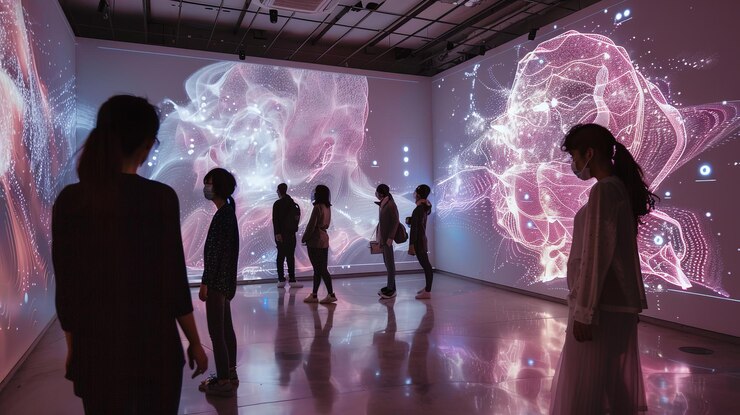
Today’s audiences want more than just something to look at. They want to feel, hear, and interact with experiences. That’s where immersive exhibitions come in. These events are changing how we experience art, history, and culture. They move beyond traditional displays and create journeys for all the senses.
What Are Immersive Exhibitions?
Immersive exhibitions are designed to pull visitors into a different world. They use light, sound, video, and sometimes even scent or touch to make you feel like you’re inside the story. Instead of just looking at an exhibit, you become part of it.
A great example is Van Gogh: The Immersive Experience. This exhibition surrounds visitors with floor-to-ceiling visuals of Van Gogh’s artwork. Music and storytelling add to the atmosphere, creating a powerful emotional experience.
Why Immersive Experiences Matter
These kinds of exhibitions create deeper connections with the audience. When people use more than one sense, they remember the experience better. They also feel more involved, which makes the event more meaningful.
Immersive experiences also appeal to younger generations. These visitors want something interactive and shareable. Spaces like Meow Wolf are popular because they offer just that—photo-worthy environments and engaging installations.
The Technology Behind the Magic
Immersive exhibitions rely on a mix of creative design and smart technology. Some common tools include:
Projection mapping: Turns walls and floors into moving artwork.
Augmented Reality (AR): Adds digital effects to real-world settings.
Spatial sound: Creates 3D audio that feels like it’s coming from all directions.
Interactive surfaces: Let visitors touch and change parts of the experience.
At Intrinsic Raleigh , we use this blend of tech and storytelling to deliver unforgettable events.
What’s Next for Exhibitions?
The future of exhibitions is all about participation. People don’t want to just look anymore—they want to play, explore, and connect. Immersive exhibitions offer a way to do that.
If you’re a curator, artist, or brand, now is the time to think beyond traditional formats. Immersive experiences are not just a trend—they are the new standard for engaging audiences.